명상도서관
Acceptance and commitment therapy : the process and practice of mindful change
자세히보기
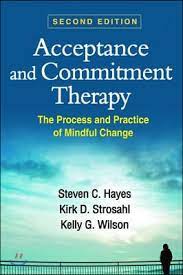
- 자료유형단행본
- 저자명Hayes, Steven C,Strosahl, Kirk,Wilson, Kelly G
- 학회/출판사/기관명New York : Guilford Press, 2016
- 출판년도2016
- 언어영어
- 학술지명/학위논문주기
- 발행사항
- ISBN/ISSN
- 소개/요약Since the initial publication of this seminal work, acceptance and commitment therapy (ACT) has come into its own as a widely practiced approach to helping people change. This book provides the definitive statement of ACT, written by its originators. Reflecting tremendous advances in clinical applications, theory building, and research, the second edition has been restructured to be more clinician friendly and accessible, with a central focus on cultivating psychological flexibility. ACT is based on the idea that psychological rigidity is a root cause of depression, anxiety, and many other forms of suffering. It seeks to help patients overcome excessive reliance on a problem-solving mode of mind and to facilitate a more open, centered, and engaged approach to living. The authors describe effective, innovative ways to nurture psychological flexibility by detecting and targeting six key processes: decision, acceptance, attention to the present moment, perspective taking, values, and committed action. Sample therapeutic exercises and patient-therapist dialogues are integrated throughout. With heightened attention to the moment-by-moment process of therapy, the second edition features expanded coverage of mindfulness, the therapeutic relationship, relational learning, case formulation, and the connections between ACT and cognitive-behavioral therapy. The book also explains the research framework underlying the ongoing development of ACT and looks at where the science may be heading in the future. Comprehensive and authoritative, this volume provides invaluable insights and clinical tools for a broad range of mental health practitioners, including clinical psychologists, psychiatrists, social workers, and counselors, and will also be of interest to psychotherapy researchers. It fills a unique niche as a text in graduate-level psychotherapy courses. (PsycINFO Database Record (c) 2016 APA, all rights reserved)
TOP





 사전신청
사전신청 오시는길
오시는길 명상챗봇
명상챗봇
