명상도서관
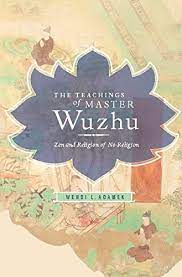
The teachings of Master Wuzhu : Zen and religion of no-religion
자세히보기
- 자료유형단행본
- 저자명Adamek, Wendi L
- 학회/출판사/기관명New York : Columbia University Press, c2011
- 출판년도2011
- 언어영어
- 학술지명/학위논문주기
- 발행사항
- ISBN/ISSN
- 소개/요약The Record of the Dharma-Jewel Through the Generations (Lidai fabao ji) is a little-known Chan/Zen Buddhist text of the eighth century, rediscovered in 1900 at the Silk Road oasis of Dunhuang. The only remaining artifact of the Bao Tang Chan school of Sichuan, the text provides a fascinating sectarian history of Chinese Buddhism intended to showcase the iconoclastic teachings of Bao Tang founder Chan Master Wuzhu (714–774). Wendi Adamek not only brings Master Wuzhu's experimental community to life but also situates his paradigm-shifting teachings within the history of Buddhist thought. Having published the first translation of the Lidai fabao ji in a Western language, she revises and presents it here for wide readership.Written by disciples of Master Wuzhu, the Lidai fabao ji is one of the earliest attempts to implement a "religion of no-religion," doing away with ritual and devotionalism in favor of "formless practice." Master Wuzhu also challenged the distinctions between lay and ordained worshippers and male and female practitioners. The Lidai fabao ji captures his radical teachings through his reinterpretation of the Chinese practices of merit, repentance, precepts, and Dharma transmission. These aspects of traditional Buddhism continue to be topics of debate in contemporary practice groups, making the Lidai fabao ji a vital document of the struggles, compromises, and insights of an earlier era. Adamek's volume opens with a vivid introduction animating Master Wuzhu's cultural environment and comparing his teachings to other Buddhist and historical sources.
TOP





 사전신청
사전신청 오시는길
오시는길 명상챗봇
명상챗봇