명상도서관
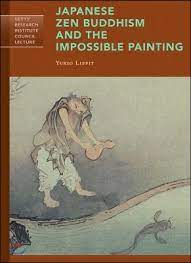
Japanese zen Buddhism and the impossible painting
자세히보기
- 자료유형단행본
- 저자명Lippit, Yukio
- 학회/출판사/기관명
- 출판년도2017
- 언어영어
- 학술지명/학위논문주기
- 발행사항
- ISBN/ISSN
- 소개/요약Zen art poses a conundrum. On the one hand, Zen Buddhism emphasizes the concept of emptiness, which among other things asserts that form is empty, that all phenomena in the world are illusory. On the other hand, a prodigious amount of artwork has been created in association with Zen thought and practice. A wide range of media, genres, expressive modes, and strategies of representation have been embraced to convey the idea of emptiness. Form has been used to express the essence of formlessness, and in Japan, this gave rise to a remarkable, highly diverse array of artworks and a tradition of self-negating art. In this volume, Yukio Lippit explores the painting The Gourd and the Catfish (ca. 1413), widely considered one of the most iconic works of Japanese Zen art today. Its subject matter appears straightforward enough: a man standing on a bank holds a gourd in both hands, attempting to capture or pin down the catfish swimming in the stream below. This is an impossible task, a nonsensical act underscored by the awkwardness with which the figure struggles even to hold his gourd. But this impossibility is precisely the point.
TOP





 사전신청
사전신청 오시는길
오시는길 명상챗봇
명상챗봇
