명상도서관
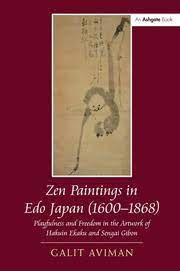
Zen paintings in Edo Japan (1600-1868) : playfulness and freedom in the artwork of Hakuin Ekaku and Sengai Gibon
자세히보기
- 자료유형단행본
- 저자명Aviman, Galit
- 학회/출판사/기관명Franham Surrey, England ; Burlington : Ashgate, c2014
- 출판년도2014
- 언어영어
- 학술지명/학위논문주기
- 발행사항
- ISBN/ISSN
- 소개/요약In Zen Buddhism, the concept of freedom is of profound importance. And yet, until now there has been no in-depth study of the manifestation of this liberated attitude in the lives and artwork of Edo period Zen monk-painters. This book explores the playfulness and free-spirited attitude reflected in the artwork of two prominent Japanese Zen monk-painters: Hakuin Ekaku (1685-1768) and Sengai Gibon (1750-1837). The free attitude emanating from their paintings is one of the qualities which distinguish Edo period Zen paintings from those of earlier periods. These paintings are part of a Zen ink painting tradition that began following the importation of Zen Buddhism from China at the beginning of the Kamakura period (1185-1333). In this study, Aviman elaborates on the nature of this particular artistic expression and identifies its sources, focusing on the lives of the monk-painters and their artwork. The author applies a multifaceted approach, combining a holistic analysis of the paintings, i.e. as interrelated combination of text and image, with a contextualization of the works within the specific historical, art historical, cultural, social and political environments in which they were created.
TOP





 사전신청
사전신청 오시는길
오시는길 명상챗봇
명상챗봇