명상도서관
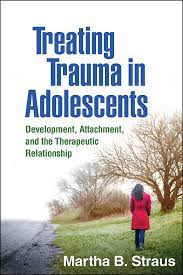
Treating trauma in adolescents : development, attachment, and the therapeutic relationship
자세히보기
- 자료유형단행본
- 저자명Straus, Martha B.
- 학회/출판사/기관명
- 출판년도2017
- 언어영어
- 학술지명/학위논문주기
- 발행사항
- ISBN/ISSN
- 소개/요약Anxious and vigilant, and distrustful of caregivers and even themselves, teens who have experienced chronic trauma are among the toughest clients to treat. This book offers powerful strategies for getting through to high-risk adolescents and building a strong attachment relationship that can help get development back on track. Martha B. Straus draws on extensive clinical experience as well as cutting-edge research. Using in-depth case examples, she demonstrates how to create the safe haven and secure base that traumatized teens need to become more confident, stable, and resilient. Straus's innovative, empathic approach is grounded in current knowledge about attachment, developmental trauma, and interpersonal neurobiology. A major focus is to help clients develop the ability to self-soothe by allowing them to feel safe and regulated in relationship with an adult. The book presents a wealth of specific techniques for engaging challenging or reluctant teens and implementing interventions tailored to their attachment needs. Straus vividly describes some of her most difficult work with adolescents struggling to manage their emotions and develop an integrated sense of identity. Extensive case presentations reveal not just what to say or do in a given interaction with a client, but also how therapists can use their moment-to-moment emotional experience to guide clinical decision making and enhance connection. Essential topics include integrating expressive techniques into therapy and ways to involve parents and other caregivers in treatment. Highly instructive and inspiring, this book belongs on the desks of clinical child/adolescent psychologists, counselors, social workers, and psychiatrists of all theoretical orientations and levels of experience, as well as graduate students in these fields. (PsycINFO Database Record (c) 2017 APA, all rights reserved)
TOP





 사전신청
사전신청 오시는길
오시는길 명상챗봇
명상챗봇
