명상도서관
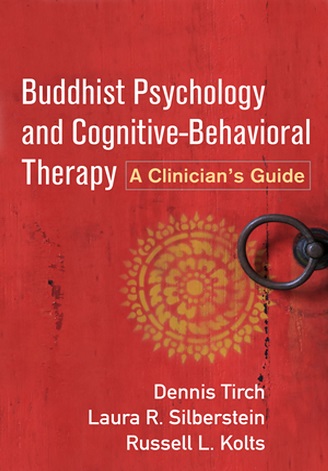
Buddhist psychology and cognitive-behavioral therapy : a clinician's guide
자세히보기
- 자료유형단행본
- 저자명Tirch, Dennis,Silberstein, Laura R,Kolts, Russell L,Leahy, Robert L,Tirch, Dennis
- 학회/출판사/기관명New York, NY : The Guilford Press, c2016
- 출판년도2016
- 언어영어
- 학술지명/학위논문주기
- 발행사항
- ISBN/ISSN
- 소개/요약While mindfulness and acceptance have made their way into the cognitive-behavioral therapy (CBT) mainstream, Buddhist thought is brimming with other meditative techniques, cognitive exercises, emotion regulation methods, and behavioral practices that are less well known in the West. This user-friendly guide to the basics of Buddhist psychology presents a roadmap specifically designed for CBT practitioners. Featuring numerous experiential exercises and meditations, the book explains how central Buddhist concepts can enrich the science and practice of psychotherapy. Exploring commonalities and differences between Buddhist thinking and scientific psychology, the authors show that both traditions emphasize empiricism, investigation, and analysis, toward the goal of alleviating suffering. Key Buddhist concepts are introduced and integrated with the CBT literature. Essential topics include the relationship between suffering and psychopathology, the role of compassion in understanding and treating psychological problems, how mindfulness fits into evidence-based psychotherapy practice, and the neuroscience of meditation. In addition to discussing the foundations and applications of mindfulness, the book introduces clinicians to concentration meditation, loving-kindness meditation, visualization, and other practices that can be used with clients in therapy. Downloadable audio recordings of guided meditations are provided at the companion website. The concluding chapter presents an innovative case conceptualization method, grounded in Buddhist thinking, that facilitates the targeted delivery of specific CBT interventions. Engaging, instructive reading for therapists of any faith background or level of experience with mindfulness, this book belongs on the desks of clinical psychologists, psychiatrists, clinical social workers, mental health and pastoral counselors, and psychiatric nurses, as well as graduate students in these fields. (PsycInfo Database Record (c) 2020 APA, all rights reserved)
TOP





 사전신청
사전신청 오시는길
오시는길 명상챗봇
명상챗봇
