명상도서관
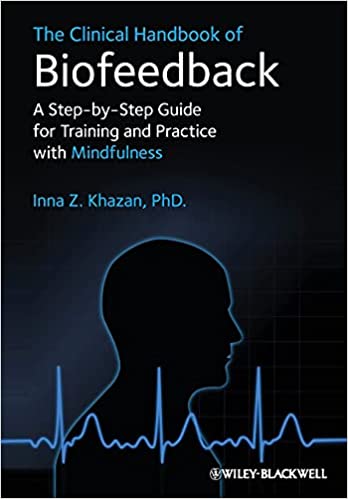
The clinical handbook of biofeedback : a step by step guide for training and practice with mindfulness
자세히보기
- 자료유형단행본
- 저자명Khazan, Inna Z
- 학회/출판사/기관명Chichester, West Sussex, UK : John Wiley & Sons Inc., 2013
- 출판년도2013
- 언어영어
- 학술지명/학위논문주기
- 발행사항
- ISBN/ISSN
- 소개/요약This go-to guide is intended for clinicians who have already had at least an introductory training in biofeedback and are interested in learning how to apply that knowledge in the clinical setting and for clinicians with an established biofeedback practice who are interested in enriching their practice and further improving their client outcomes. This book may also be useful to mindfulness clinicians who are interested in exploring ways of integrating biofeedback into their practice. I begin the book with a chapter on integrating mindfulness into biofeedback. I chose to begin with mindfulness because I believe it provides an excellent framework to think about biofeedback. Use that first chapter as a jumping-off point into biofeedback, which will be the easiest way to integrate mindfulness into your biofeedback practice. Some of you might also wonder whether this book will be useful to you if you are not interested in using mindfulness practices with your clients. The answer is yes, the protocols presented in this book can be used without the introduction to mindfulness. The information regarding biofeedback modalities and the use of specific protocols does not depend on your use of mindfulness and references to mindfulness training may be omitted. That said, I still encourage you to consider using a mindfulness and acceptance approach to biofeedback. The rest of the book is divided into four sections: The first section deals with the general practicalities of biofeedback, including instrumentation, where I talk about many different kinds of biofeedback devices available, from the comprehensive full-scale equipment to simple inexpensive devices you can start using in your early forays into biofeedback; The second section deals with assessment, including initial evaluation, biofeedback profiles, and treatment planning; The third section is devoted to five peripheral biofeedback modalities-heart rate variability, breathing, surface electromyography, temperature, and skin conductance. Please note that I do not talk about electroencephalography (EEG) biofeedback, or neurofeedback, for which many excellent texts are available; The fourth and final section presents detailed protocols for several psychophysiological disorders for which biofeedback has been shown to be an efficacious treatment. I hope you will find this book useful in your work with clients by acquiring new ways to think about biofeedback and by having a place to turn to when you feel stuck or have specific questions about the process! If you would like to be kept up-to-date with new developments related to this book, please visit my website www.BostonHealthPsychology.com where you can sign up to be on the mailing list. (PsycINFO Database Record (c) 2016 APA, all rights reserved)
TOP





 사전신청
사전신청 오시는길
오시는길 명상챗봇
명상챗봇