명상도서관
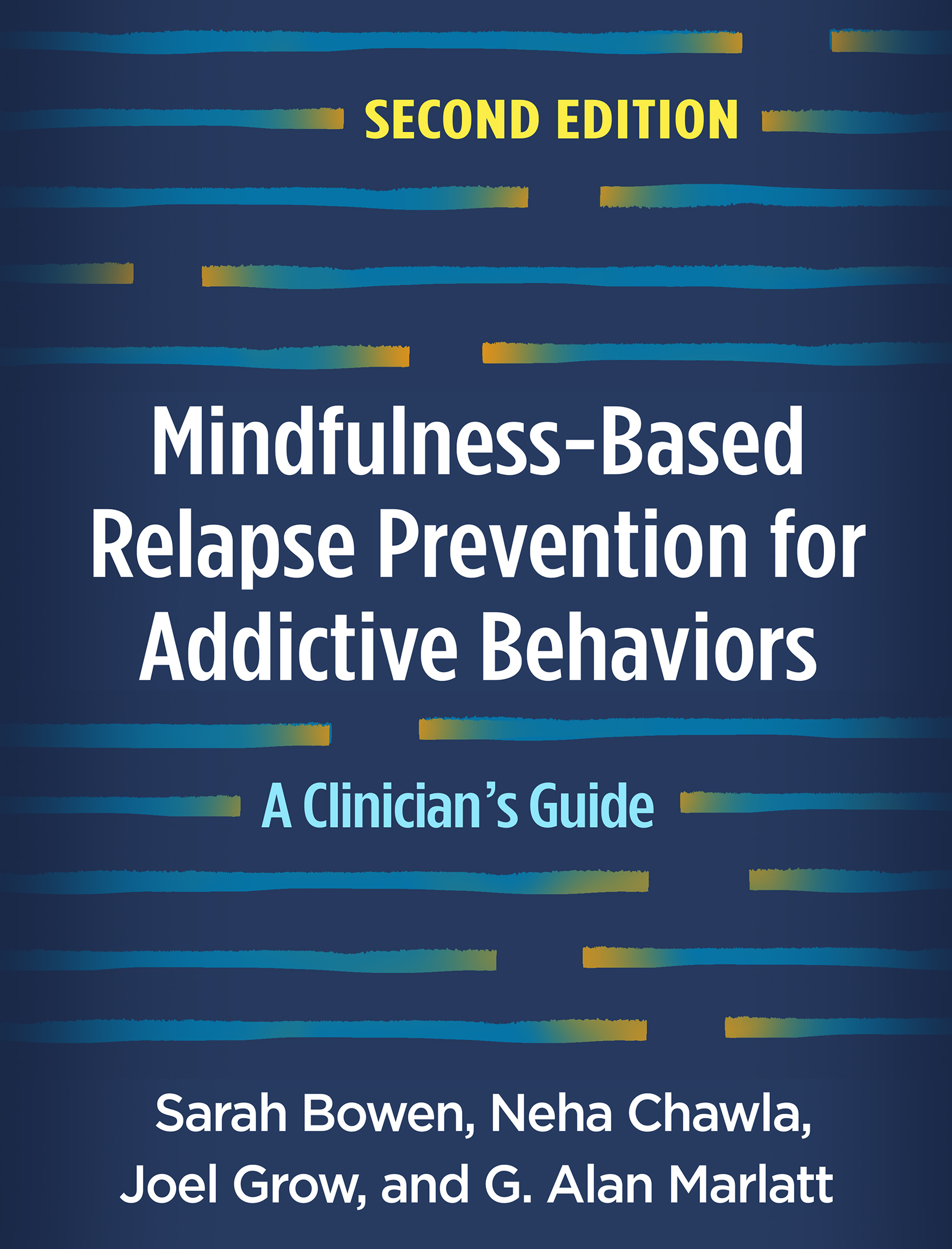
Mindfulness-based relapse prevention for addictive behaviors : a clinician's guide
자세히보기
- 자료유형단행본
- 저자명Bowen, Sarah,Chawla, Neharika,Marlatt, G. Alan
- 학회/출판사/기관명New York : Guilford Press, 2011
- 출판년도2011
- 언어영어
- 학술지명/학위논문주기
- 발행사항
- ISBN/ISSN
- 소개/요약Mindfulness-based relapse prevention (MBRP) program is as an aftercare program integrating cognitive-behavioral relapse prevention skills and mindfulness meditation practice, intended for individuals who have completed initial treatment for substance use disorders. In our experience, this program is best suited to individuals who have completed inpatient or outpatient treatment, are motivated to maintain treatment goals, and are willing to make lifestyle changes that support their well-being and recovery. Part I of this book lays out the background and foundation for the development of MBRP and offers a discussion of our experience with and recommendations for training in and conducting the treatment. This includes examples of challenges encountered, lessons learned, and issues requiring further consideration. We also offer a brief overview of the initial research evaluating the efficacy of MBRP. The remainder of this book is designed to guide readers through each of the eight sessions of the program. These chapters provide a detailed discussion of the themes and practices included in each session, along with a description of common experiences encountered by MBRP participants and possible issues that may arise. They also list materials needed, provide a structure and outline, and include worksheets, handouts, and scripted examples of the guided meditations. The first three sessions focus on practicing mindful awareness and integrating mindfulness practices into daily life. The next three sessions emphasize acceptance of present experience and application of mindfulness practices to relapse prevention, and the final two sessions expand to include issues of self-care, support networks, and lifestyle balance. Each session is designed to build on the previous one, and sessions are intended to be practiced in the order in which we describe them here. The structure offered in this program, in combination with the facilitator's personal daily mindfulness practice, is designed to offer clients new perspectives and skills to guide them not only in the day-to-day challenges of recovery but also in the moment-to-moment awareness, compassion, and freedom that mindfulness practice can bring. (PsycINFO Database Record (c) 2016 APA, all rights reserved)
TOP





 사전신청
사전신청 오시는길
오시는길 명상챗봇
명상챗봇
