명상도서관
Mindfulness-based cognitive therapy for depression
자세히보기
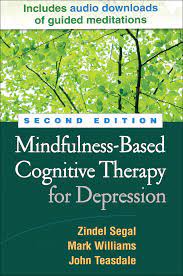
- 자료유형단행본
- 저자명Segal, Zindel V.▼KAC200611466,Williams, J. Mark G.▼KAC200611467,Teasdale, John D▼KAC200611471,Kabat-Zinn, Jon▼KAC200210310
- 학회/출판사/기관명
- 출판년도2018
- 언어영어
- 학술지명/학위논문주기
- 발행사항
- ISBN/ISSN
- 소개/요약Major depressive disorder (MDD) is characterized by pervasive and persistent low mood and lack of interest in normally pleasurable activities. These features are accompanied by a range of additional symptoms, such as poor appetite or overeating, insomnia or fatigue, low energy, low self-esteem, feelings of worthlessness or guilt, difficulty concentrating, and recurrent thoughts of death.1 MDD is highly prevalent, and is associated with considerable impairment in social, occupational, and other important areas of functioning, leading to significant economic and service burdens worldwide.2 Depression has become a significant health issue, partly because it tends to run a relapsing course.3 At least half the individuals who have experienced one major depressive episode are at risk of one or more additional episodes, and 80% of people with a history of two episodes are likely to have another recurrence.1,4 As a result of the challenging nature of treating this disorder, mindfulness-based cognitive therapy (MBCT) was developed to reduce depressive relapse.
TOP





 사전신청
사전신청 오시는길
오시는길 명상챗봇
명상챗봇
